


Painful sensations in the joint area are a common reason to visit a doctor.What to do if the joints in your arms and legs hurt depends on the root cause of the problem.
Various causes of joint pain
The most common causes of joint pain are associated with the following conditions:
- arthritis (infectious and rheumatic);
- gout;
- osteoarthritis;
- psoriasis (psoriatic arthritis);
- osteomyelitis;
- osteophytes;
- scholarships;
- flat feet;
- injury.
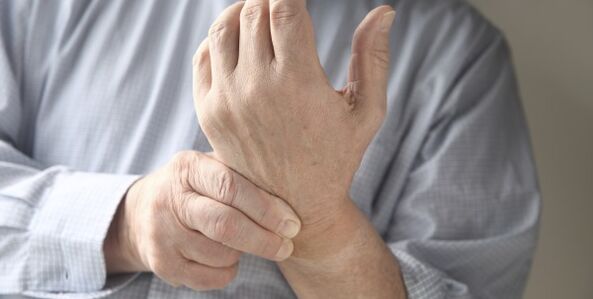
Pain can also be caused by neurological diseases and vascular disorders.
Arthritis
Arthritis is a common disease that often leads to disability.If previously such a diagnosis was made mainly only for people over 30 years old, today many young people also face it.
The most typical symptoms of arthritis include severe pain in the joint area, which first appears only at night, then becomes constant.If arthritis affects the joints of the feet, walking becomes uncomfortable and gait changes.The skin becomes red, the muscles begin to degrade and the body temperature may rise slightly.
After sleep, a feeling of stiffness appears and the peak of pain appears.
There are two forms of this disease:
- Rheumatoid arthritis.It can occur as a result of age-related changes, severe hypothermia, injuries and also under the influence of hereditary factors.
- Infectious arthritis.It develops against the background of various types of infectious diseases.
When affected by arthritis, complete destruction of the articular cartilage occurs, accompanied by severe pain.Pain in the toes may radiate to the kneecaps or hip area.The most reliable way to diagnose any form of arthritis is with X-rays.
The following methods of treatment of this disease are distinguished:
- Antibiotics.They are prescribed when infectious tissue lesions are identified and help restore joints.
- Ointment and gelto relieve swelling, relieve pain and reduce redness.
- Dietary supplements.Used to stimulate connective tissue, they are useful in the early stages of the disease, as they can prevent the need for more serious treatment.
- Corticosteroids.They are injected into the most affected joints and can be used for many months if a pronounced positive effect is observed.
Drug treatment is effectively combined with physical therapy, physiotherapy and massage.
gout
Gout most commonly affects the joints of the fingers and toes, especially the big toes.In this case, uric acid salts accumulate in crystalline form.
The disease can be recognized by the following signs:
- The joints of the arms and legs hurt.Only a specialist can tell you what to do in this case, but a clear sign of gout is sharp, paroxysmal pain in the fingers.Most often they appear at night and become boring during the day.
- There are intervals between irritations, sometimes very long.They may give the wrong impression that there are no health problems.
- Deterioration of the general condition.
- Increased temperature in the area of the affected joint.
- Swelling of varying degrees of severity.
- The appearance of tophi - "knots" under the skin, which consist of urates.
The following factors can affect the appearance of gout:
- overweight;
- regular consumption of strong coffee and alcohol;
- kidney disease;
- genetic predisposition;
- poor nutrition;
- high blood pressure;
- diabetes mellitus
To diagnose the disease, blood and urine tests are examined, and sometimes it is necessary to take a sample of synovial fluid.
The main measure of treatment is following a strict diet, which includes avoiding fatty fish and meat, offal, juices, canned foods, sausages, salt and spices.The consumption of coffee, tea and cocoa is limited as much as possible, and alcoholic beverages are completely excluded.Without following the diet prescribed by the doctor, a complete recovery is not possible.
Drug therapy is selected individually, depending on the characteristics of the disease and the patient's condition.The drugs used reduce the production of uric acid salts, accelerate the process of its elimination and have an anti-inflammatory and analgesic effect.Compresses, creams and wraps are also used.
Osteoarthritis
Osteoarthritis is a serious condition that causes inflammation and swelling.As it progresses, it leads to serious mobility impairment and irreversible joint degradation.The first signs of the disease are expressed in numbness of the fingers and an unusual, strong feeling of fatigue.
In the early stages, it is difficult to distinguish the pain in the small joints, so the most common complaint from patients is discomfort at the base of the fingers.If you try to bend them, the pain becomes even stronger.In most cases, osteoarthritis affects several joints at once.The problem can be diagnosed using x-rays.
The following factors can affect the development of the disease:
- changes in hormonal levels, leading to fluid retention in the body;
- atherosclerosis of the extremities;
- gout and other diseases associated with metabolic disorders;
- diabetes mellitus;
- the influence of streptococcus and staphylococcus;
- caries.
Arthrosis of the finger joints can develop against the background of incorrect foot placement, wearing bad shoes, excess weight, low mobility and other aggravating factors.
The joints of the arms and legs ache;only a specialist can answer what to do with osteoarthritis.
But today it is almost impossible to cure this disease using conservative methods.Performing intra-articular injections is possible, but quite difficult and dangerous.Gels, ointments, compresses and lotions can provide an anti-inflammatory effect and relieve the pain a little.
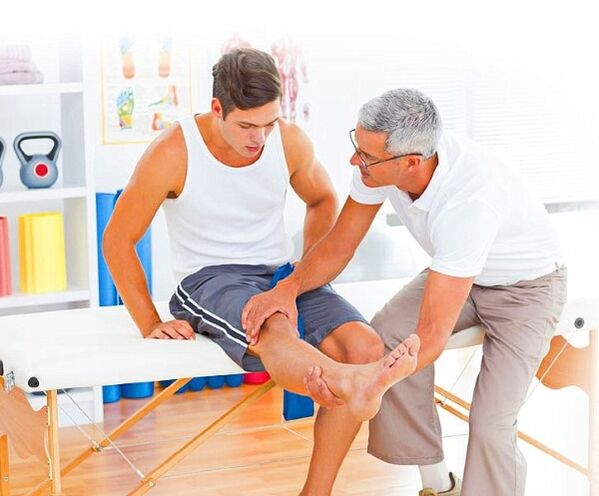
Modern and classical manual therapy methods will help in this situation.Visible results can be achieved in just a few sessions, but achieving long-term remission is possible only in those stages of the disease when the destructive processes have not yet affected the bone.
Psoriasis
Psoriasis of the joints, or psoriatic arthritis, sometimes affects people who have psoriasis, a complex skin disease.It leads to pain and stiffness in the affected joints, which is chronic.
Psoriatic arthritis can start suddenly or develop gradually, so it's important to tell your doctor right away if symptoms develop.At the moment, it is not known why psoriasis occurs, but doctors suggest that hereditary factors and negative environmental influences can influence its development.
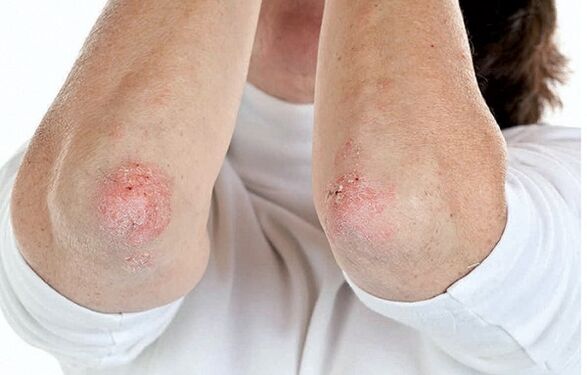
There is no specific treatment for this disease, so in most cases the therapy is aimed at reducing the inflammatory process, preventing pain and loss of joint function.In rare cases, surgical intervention is used.
Osteomyelitis
Osteomyelitis is a purulent-inflammatory process in the bone marrow, periosteum and bone.Its development is most often caused by microorganisms such as E. coli, salmonella, streptococcus and staphylococcus.In rarer situations, it turns out to be a complication of other diseases.
The disease affects a person with general body weakness, joint pain and muscle pain.
Then there is a rapid increase in body temperature, the pain is clearly localized in the affected area, intensifying with every movement.Then, the purulent process begins to spread very quickly to the surrounding tissues and sepsis can occur.It is necessary to take urgent measures even at the slightest suspicion of the presence of this pathology, otherwise the patient cannot be saved.
Treatment is carried out using antibiotics, which are selected in accordance with the detected bacteria.Surgical therapy is widely used.
Osteophytes
Osteophytes are growths that develop when the supply of nutrients to articular cartilage is interrupted.
Their presence can be detected by the following signs:
- crackling in the joints;
- discomfort in the joints when the weather changes;
- difficulty moving the legs or arms after a night's sleep;
- painful sensations.
Depending on the stage, treatment can be either conservative or involve surgical intervention.Drug therapy includes the prescription of NSAIDs, chondroprotectors, as well as agents that stimulate improved tissue nutrition.
Intra-articular injection of hyaluronic acid is often used.Physiotherapy procedures and massage sessions have a positive effect.
bursitis
Bursitis is an inflammatory process of the mucous bursae located near the joints.It most commonly occurs in the shoulder joints, but also occurs in the knee, hip, and elbow joints.The cause of the disease can be infections, injuries, mechanical damage, but often appear for no apparent reason.
Arm and leg joints hurt, what to do with bursitis:
- means of rest is provided;
- antibiotics or corticosteroids are prescribed;
- compresses are performed;
- painkillers and anti-inflammatory drugs are used.
In some cases, surgery is necessary.
Flat feet
Flat feet can cause pain in the joints of the feet.It may not appear in any way for a long time, so it is especially important to pay attention to its signs.
They are as follows:
- difficult to balance on heels;
- shoes are worn only on one side;
- when you walk and stand, your legs get tired quickly;
- at the end of the day, the legs swell and feel heavy;
- leg cramps;
- back pain appears;
- old shoes become too small.
The disease can be diagnosed using x-rays.Treatment is directly determined by the stage of the disease, the patient's lifestyle and the presence of concomitant diseases.In the early stages, physical education, therapeutic massage and physiotherapy are carried out.If the problem is severe, special shoes are prescribed that model the proper arch of the foot.
Trauma
Joint injuries include ligament damage, dislocations, contusions and intra-articular fractures.To clarify the diagnosis, a number of studies are used, including CT, X-ray, MRI and ultrasound.The main symptoms are pain, swelling and limitations in movement.
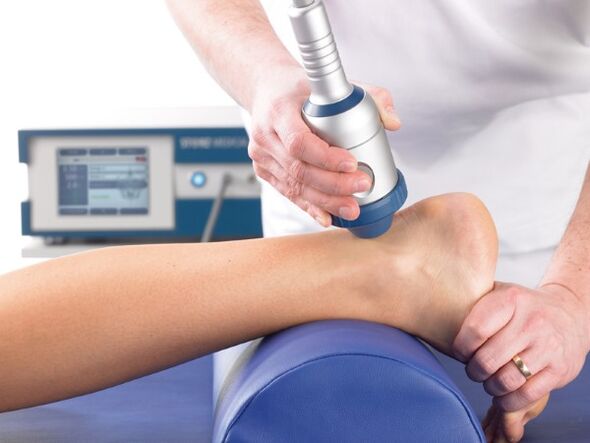
The joints of the arms and legs hurt, what to do in case of injury:
- contact a specialist to determine the nature of the damage;
- provide the injured joint with adequate rest;
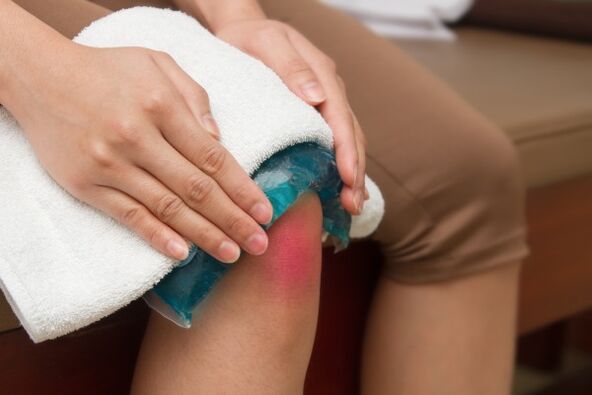
- use a cooling compress.
Diet for joint diseases
Poor nutrition can not only worsen the condition of the joints, but also become the main cause of many serious diseases.Therefore, in the process of treating any problem related to cartilage and connective tissue, it is recommended to follow a balanced diet.
A specific nutritional system is prescribed in accordance with a specific disease, but there are also general recommendations:
- limit the consumption of fast carbohydrates;
- reduce the amount of salt in the diet;
- give up spicy food, smoked meat and canned food;
- give preference to baking and boiling, avoiding fried foods.
Joint pain during pregnancy
What to do when the joints of the arms and legs hurt during pregnancy, only a specialist can answer.The fact is that we can talk about either one of the pathological conditions or a variant of the norm.When carrying a child, a woman's hormonal background changes, which often negatively affects the joints.In addition, the weight of the body increases, inevitably increasing the load on the legs.
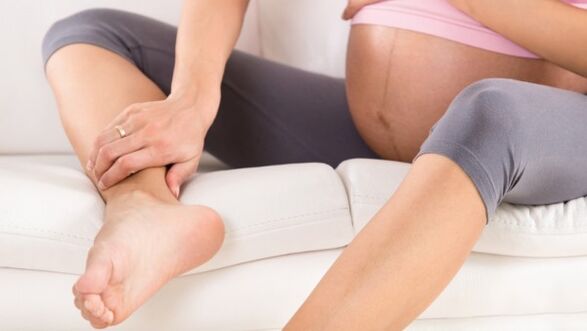
Nodes are not always able to quickly adapt to this.The third trimester of pregnancy is characterized by swelling, which most often affects the legs and hands.In turn, this causes pain and a feeling of stiffness.In the first trimester, it is recommended to spend more time resting so that the body can more easily adapt to the changes.
After consulting a doctor and in the absence of contraindications, special gymnastics or yoga for pregnant women will be very useful.A proper diet and drinking enough fluids will help you cope with discomfort in your joints.
To ease the situation, it is recommended to follow these tips:
- eat foods rich in vitamin D and calcium;
- wear comfortable, high-quality shoes without heels;
- control weight gain and prevent sudden changes;
- spend more time outdoors;
- take special complexes for pregnant women (after consulting a specialist);
- give up monotonous physical work;
- do yoga, gymnastics or swimming (in the absence of contraindications);
- maintain a stable psycho-emotional state;
- Perform self-massage of hands and knees with gentle rubbing and tapping movements.
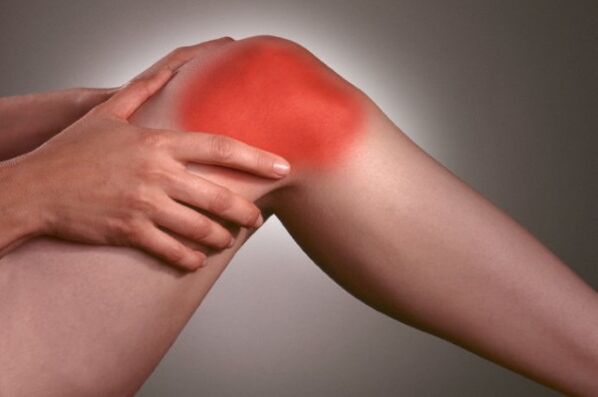
During pregnancy, it is very important to immediately pay attention to any pain, including in the joint area.Carrying a child can negatively affect the course of any pathological process, worsening it and accelerating the development of the disease.
Treatment methods at home
The use of folk remedies is one of the best ways to speed up the process of treating joint diseases, relieve symptoms and alleviate the patient's condition.
Of all the home treatment methods, the most popular are the following:
- warming compresses based on paraffin, salt, clay or potato;
- creams and rubbing with alcoholic infusions;
- baths, creams and compresses from herbal decoctions;
- compress using honey.
Depending on your goals, you may resort to the following procedures:
- To get rid of the pain, the most useful medicines are those based on honey, alcohol, turpentine and beekeeping products.Even a single use of the compress significantly relieves the condition if the pain is moderate.
- Potato compresses are widely used to warm joints.Warm mashed potatoes are applied to the joint area, covered with film and wrapped in a scarf.The compress is kept until the potatoes are completely cooled.
- Alcohol-based products have good anti-inflammatory and analgesic properties.To prepare the simplest of them, it is enough to soak gauze with vodka and apply it as a compress at night.
- To relieve swelling, it is recommended to drink blackberry and cranberry fruit drinks, decoctions of bay leaves and blackberry leaves, as well as pharmaceutical diuretics.
The following recipes are the safest (including during pregnancy):
- foot and hand baths with birch leaves or pine needles;
- compresses with honey and salt;
- application of internal fat in the form of an oil to the joints of the legs;
- creams made from pine buds with sugar.
Prevention of joint diseases
The risk of joint pain increases with age, so it is recommended to start prevention from a young age.
To prevent joint diseases it is recommended:
- lift weights correctly, avoiding unnecessary stress on the joints;
- avoid unhealthy weight gain;
- eat a balanced diet, providing the body with a sufficient amount of calcium, magnesium, collagen, fatty acids;
- do not neglect physical activity, as a strong muscular corset significantly reduces the load on the joints;
- keep the right attitude;
- reduce the amount of sugar consumed;
- if possible, get rid of bad habits (smoking and drinking alcohol);
- Take the time to properly organize the workplace, where you will not have to strain your back and neck, throw your head back or bend forward;
- take timed breaks during professional activities, if they involve a long static position, and do a warm-up.
The common myth that only the elderly can damage the joints, makes many people ignore the first symptoms of serious diseases, turning to specialists only as a last resort.In fact, many of the diseases can affect young people.
Even arthritis, for many years considered an age-related problem, is increasingly affecting men and women under thirty.
What to do when the joints of the legs and arms hurt, in any situation only a doctor can tell you, who will quickly make an accurate diagnosis and prescribe adequate treatment.When painful sensations appear, it is not recommended to immediately turn to self-medication and traditional methods, since we are talking about serious degenerative processes, which are often irreversible and lead to complications.